Welcome to my .....

Creative Note & Disclaimer: The narratives below are works of creative fiction written with the assistance of generative AI. While these short stories are inspired by a personal interest in Native American cultures, history, and spiritual connections to nature, the specific characters, dialogue, traditions, and plot lines are entirely AI-generated. They do not represent official historical records, authentic oral traditions, or lived experiences of any specific Indigenous nation.
Because Native American history is incredibly diverse—comprising hundreds of distinct Sovereign Nations with unique cultures—readers are strongly encouraged to seek out authentic voices. To learn real history directly from Indigenous communities, please visit official repositories such as the National Museum of the American Indian, the Cherokee Nation, or the Navajo Nation Government.
You can view all of these stories on my YouTube channel: AI Short Stories. This webpage will offer you a brief description of each story and the pdf story that you can download and read on your own time.
 |  |  |  |
|---|---|---|---|
 |  |  |  |
 |  |  |  |
 |  |  |  |
 |  |  |
The Trickster’s Choice
This Short story narrates how Coyote, a clever trickster, steals fire from the Black God to save humanity from freezing winter nights, leading to technological and cultural advancements.
The Role of Coyote as a Culture Hero
-
Coyote is portrayed as a clever trickster who helps humanity through disruptive but benevolent actions.
-
He outwits the Black God to bring fire to humans, risking divine punishment.
-
His actions lead to the development of fire as the first technology, transforming human life.
-
Coyote's darkened tail serves as a permanent reminder of the divine theft and its consequences.
The Theft of Fire and Its Impact
Coyote journeys to the Black God's mountain to steal the sacred spark of fire.
-
He uses deception and agility to ignite cedar bark and escape with flames.
-
The stolen fire ignites the first communal campfire, ending winter suffering.
This act sparks technological progress, including cooking and metalworking.
Cultural and Societal Transformation
-
Fire becomes central to community life, fostering social bonds and cultural traditions.
-
It enables the development of art, storytelling, and blacksmithing.
-
The community establishes laws to respect and properly handle fire.
-
The balance of fire’s power teaches respect and responsibility.
Lessons and Legacy of the Trickster
-
Coyote’s dark tail symbolizes the importance of respecting divine and natural boundaries.
-
His chaotic act is recognized as essential for human progress and resilience.
-
The story emphasizes the importance of responsibility in technological advancement.
-
The legacy of the theft continues to influence cultural identity and technological growth.
Here is the pdf copy.
.png)
The Long Walk
This short story narrates the Navajo people's forced relocation, their hardships during the Long Walk, and their resilience in returning home and rebuilding their homeland.
The Forced Relocation and Long Walk
-
Navajo people were forcibly removed from their ancestral lands by U.S. military in 1864.
-
They endured a brutal 400-mile march to Bosque Redondo internment camp.
-
Thousands of Navajo died from starvation, disease, and harsh conditions during the march.
-
The journey was marked by extreme cold, hunger, and loss, but their spirit remained unbroken.
Personal Stories of Kii and Family
-
Kii is an 11-year-old boy who shows resilience and devotion to his family.
-
His mother provides emotional strength through traditional songs and cultural teachings.
-
Kii processes trauma internally, focusing on survival and protecting his loved ones.
-
The family endures suffering but holds onto their cultural identity and hope.
Life at Bosque Redondo Internment
-
The camp was barren, with no trees or crops, and families had to dig earth shelters.
-
Food was scarce and spoiled, causing sickness and constant hunger.
-
Nighttime was filled with sacred songs that reinforced their spiritual resilience.
-
Disease, starvation, and harsh conditions threatened their survival, but hope persisted.
The Navajo Resistance and Negotiation
-
After four years, crop failures and disease led to the failure of the internment experiment.
-
Navajo leaders refused to stay and negotiated for their return to the mountains.
-
A new treaty was signed recognizing Navajo sovereignty and rights.
-
The community celebrated their freedom and prepared to return home.
Return and Rebuilding of Homeland
-
The Navajo people walked back west, feeling renewed strength and hope.
-
They re-entered their sacred lands, rebuilding homes and planting crops.
-
The community began to heal and flourish on their ancestral land.
-
The story ends with a sense of resilience, cultural pride, and renewal of their homeland.
Here is the pdf copy.
.png)
The Gift of the Weaver
This short story explores the sacred art of weaving gifted by Spider Woman to the Navajo people, emphasizing spiritual, cultural, and practical significance.
Divine Gift of Weaving
-
Spider Woman Na ashjé ii Asdzáá is a revered deity who shares sacred geometric weaving techniques to protect and preserve Navajo identity.
-
She constructs a cosmic loom representing the universe, linking spiritual principles with the craft.
-
The sacred art of weaving is a divine gift that embodies spiritual laws and cultural heritage.
-
Weaving is seen as a living prayer that maintains harmony between humans and the universe.
The Apprentice’s Journey and Learning
-
Chá á, the young apprentice, is chosen to learn divine weaving skills atop Spider Rock.
-
She faces challenges like mastering intricate geometry, handling the loom, and conquering fears of heights.
-
The deity patiently teaches her to weave patterns reflecting sacred symbols and cosmic order.
-
The apprentice learns spinning, dyeing, and weaving techniques essential for creating protective textiles.
Cultural and Spiritual Significance
-
Weaving patterns encode tribal laws, history, and spiritual beliefs, serving as a visual language.
-
Each textile is a spiritual shield, offering protection and luck in daily life and ceremonies.
-
Traditional practices emphasize mindfulness, respect for the loom, and the importance of prayer.
-
The craft sustains cultural identity and connects generations through passing down sacred knowledge.
Community Impact and Legacy
-
The return of the weaver revitalizes the tribe’s economy and cultural pride through textile trade.
-
Weaving improves community health and provides warmth and protection during harsh winters.
-
The original weaver’s legacy is preserved through passing down tools and skills to future generations.
-
The spiritual and cultural importance of weaving continues to define Navajo identity today.
Here is the pdf copy.
.png)
The Accident of Pride
The short story narrates the story of a tribe's separation caused by pride, their suffering from loneliness and hardship, and eventual reconciliation leading to unity and renewal.
The Dispute and Separation of the Tribe
-
First Man and First Woman argue fiercely about their contributions to survival.
-
Their stubborn pride leads them to decide on complete separation of their tribes.
-
Men cross the river to hunt, while women plant crops on opposite sides.
-
Both groups believe they can thrive independently but soon face hardships.
The Consequences of Pride and Isolation
-
Harsh winters and lack of cooperation cause starvation and despair.
-
Loneliness and suffering deepen as resources diminish.
-
Both tribes realize their pride has nearly led to extinction.
-
The physical and emotional toll highlights the destructive nature of separation.
The Path to Reconciliation and Unity
-
First Woman signals for a truce by lighting a fire, prompting First Man to respond.
-
Leaders from both sides humbly meet and acknowledge their dependence.
-
They rebuild trust and establish equality, emphasizing harmony of masculine and feminine forces.
-
The community reunites, sharing resources and restoring their land.
Restoring Balance and Preparing for Future Challenges
-
The tribe works together to restore fields, build new laws, and heal emotional wounds.
-
Children play again, symbolizing hope and renewal.
-
They face a rising flood as a test of their unity, and prepare to evacuate via a giant reed.
-
The tribe climbs upward through the reed, leaving destruction behind, and steps into a new world of harmony and beauty.
Here is the pdf of this story.

The Emergence into the Glittering World.
This short story narrates the Navajo creation story of the Fifth World, focusing on the journey from underground to surface, survival challenges, and cultural teachings.
Journey from Underground to Surface
-
People climb through hollow reed to escape floods of the lower world.
-
They emerge onto the new surface, the Fifth World, under a vast sky.
-
The first clans are created at sacred mountains representing new beginnings.
-
Kii, a young tracker, recognizes signs of a wolf guiding them to water.
Significance of Sacred Mountains and Nature
-
Four sacred mountains mark the corners of the world, symbolizing balance.
-
The wolf acts as a guardian and guide, respecting its power.
-
Nature provides essential resources like water and shelter.
-
Storms and environmental challenges teach resilience and adaptation.
Cultural and Spiritual Teachings
-
Grandmother Shimásání shares Navajo history, morals, and identity.
-
Changing Woman embodies cycles of renewal and seasons.
-
The story emphasizes living in Hózhó, harmony with the universe.
-
Elders teach that humans must adapt to nature’s lessons for survival.
Here is the pdf of this story.

The Trail of Whispered Truths
This short story shares a sacred Native American story emphasizing resilience, cultural heritage, spiritual guidance, and hope through historical trials.
Sacred History of Ancestral Land and Displacement
-
The ancestors once lived in harmony with lush land and sacred crops.
-
They faced invasion by soldiers who forcibly removed them from their homeland.
-
The long march across harsh terrain was filled with cold, hunger, and loss.
-
Despite suffering, they maintained dignity and hope through sacred traditions.
-
The story highlights the importance of remembering past hardships to preserve cultural identity.
Spiritual Guardians and Symbols of Protection
-
Shísháán Spirit Wolf symbolizes protection and guidance for ancestors.
-
The wolf’s presence signified that spiritual forces watched over the people.
-
Tracks of the spirit wolf provided safe paths during difficult times.
-
Elders recognized signs from nature as divine protection.
-
Spirit animals reinforce the connection between land, spirit, and community.
Resilience and Cultural Preservation
-
The ancestors refused to let cruelty break their dignity.
-
They silently endured hardships, strengthening their inner resilience.
-
Sacred ceremonies and songs kept their traditions alive.
-
Traditional knowledge adapted to new environments for survival.
-
The community’s perseverance turned scars into badges of honor.
Rebirth and Building a New Life
-
The ancestors learned to thrive in the new land through effort and faith.
-
They cultivated crops, built homes, and celebrated cultural practices.
-
Natural blessings like rain and springs supported their renewal.
-
They created a vibrant community rooted in strength and hope.
-
The story emphasizes that resilience leads to growth and new beginnings.
Here is the pdf of the story

The Sacred Breath of the Ancestors
This short story explores Diné cultural stories, teachings, and ceremonies related to seasons, nature, spiritual balance, and community values.
Sacred Stories and Cultural Teachings
-
Grandmother Shimásání shares stories about the Four Worlds, creation, and sacred laws to teach children their cultural roots.
-
Stories emphasize harmony with land, spiritual balance, and the importance of respecting nature and ancestors.
-
Children learn about the significance of sacred beings like Changing Woman and the guidance of stars.
-
These tales instill pride, identity, and a sense of sacred purpose in young Diné.
Seasonal Rituals and Ceremonies
-
Winter stories focus on creation tales, Ma’ii Coyote mischief, and winter customs like storytelling during snow.
-
Spring rituals include planting corn, blessing ceremonies, and honoring the land’s renewal.
-
Rituals involve offerings, prayers, and ceremonies to maintain spiritual balance and ensure growth.
-
These practices reinforce connection to land, ancestors, and the cycle of seasons.
Spiritual Guardians and Healing Practices
-
The Medicine Man performs rituals with sacred herbs, smoke, and blessings to cleanse and protect.
-
He teaches about Hózhó, the balance of life, and the importance of humility and respect.
-
Sacred objects like corn pollen and drums symbolize life, protection, and cultural continuity.
-
These spiritual practices foster community well-being and individual harmony.
Community and Family Responsibilities
-
Elders teach children practical skills like farming, herding, and traditional games.
-
Lessons emphasize responsibility, patience, and respect for the land and community.
-
Children are encouraged to carry forward cultural knowledge and spiritual values.
-
The stories and rituals aim to prepare the next generation as guardians of Diné traditions.
Here is the pdf of the story

The Sky's Breath and the Earth's Bloom
This short story explores the deep spiritual connection between Father Sky and Mother Earth, emphasizing harmony, respect, and the role of Holy People and natural elements in restoring balance.
The Ancient Story of Sky and Earth
-
Long ago, Father Sky and Mother Earth drifted apart due to a conflict.
-
Their separation caused natural disasters and loss of harmony in the world.
-
Holy People intervened to help reunite the sky and earth.
-
A rainbow bridge was woven to reconnect them, restoring balance and life.
The Role of Holy People and Sacred Elements
-
Holy People are spirit beings that guide and restore harmony between sky and earth.
-
They use sacred elements like rainbows and rain to mend the world.
-
Their power helps bring back natural balance and peace.
-
They teach that respecting sacred elements maintains Hózhó, or harmony.
The Significance of Plants and Water
-
Four resilient plants—corn, beans, squash, tobacco—represent strength and survival.
-
These plants spoke to Mother Earth to save the world during times of crisis.
-
Water is vital, symbolized by rain, which cleanses and renews life.
-
Protecting water and plants is essential for sustaining life and honoring nature.
Lessons of Reciprocity and Respect
-
Giving back to the land and respecting natural resources is crucial.
-
Actions like planting seeds and protecting water honor the balance of nature.
-
The story emphasizes acting with future generations in mind.
-
Respecting all parts of the environment keeps the world in Hózhó.
The Ongoing Story of Sky and Earth
-
The relationship between sky and earth is a continuous, living story.
-
Their unity is reflected in daily life, from weather to planting.
-
Children are encouraged to be guardians and voices for the land.
-
The story lives in every breath, seed, and act of care.
Here is the pdf of this story

The Wind of the Beginning
This short story explores Diné cultural stories emphasizing the sacredness of breath, connection to nature, and respect for life.
The Creation of Universe Through Breath
-
The universe was created by a gentle, invisible power within all living things, not by machines or tools.
-
The first movement of the universe was the Creator’s deep inhalation, which brought life and light into darkness.
-
Every element of nature, from stones to mountains, holds a living spirit connected through this sacred breath.
-
Words, prayers, and songs carry the power of Creator’s breath, linking humans to the universe.
Significance of Breath in Diné Culture
-
Breath is a sacred gift that connects all living beings and the land.
-
Humans share their breath with trees and animals, symbolizing balance and harmony.
-
Speaking or praying with awareness of breath enhances spiritual power and respect.
-
Maintaining clean air is a responsibility to honor the sacred cycle of life.
Stories of Nature and Spirit
-
Nature reflects the ongoing movement of breath, seen in wind, water, and animals.
-
Elements like water, wind, and land are alive with spirit, holding memories and energy of ancestors.
-
Natural phenomena, such as storms and dust devils, are expressions of Earth’s ongoing cleansing and renewal.
-
Animals like condors ride invisible currents, embodying the spirit of breath and life.
Cultural Lessons Through Stories
-
Stories teach children about the sacredness of breath, respect for nature, and their role as caretakers.
-
Grandfather and grandmother pass down morals about balance, responsibility, and gratitude.
-
The flute symbolizes communication with the land and the spirits within it.
-
The stories emphasize that the spirit of creation is inside everyone and always present.
Connection Between People and Land
-
Humans are last to receive the sacred breath, which links them to all of nature.
-
The cycle of breath unites different landscapes into a single living organism.
-
Sharing and respecting this breath sustains life and maintains harmony.
-
Children are encouraged to carry the stories and responsibilities of their ancestors.
Here is the pdf of this story


The Map of Spark and Shadow
This short story explores Indigenous knowledge of stars for navigation, seasonal timing, storytelling, and environmental understanding through generations.
Celestial Navigation and Traditional Star Stories
-
Grandmother teaches children how stars have guided their ancestors for seasons and agriculture since time immemorial.
-
Stories explain constellations as celestial markers for planting, hunting, and seasonal changes.
-
Indigenous communities have practiced astronomy through observation and storytelling, not modern science.
-
Children learn to recognize star patterns that signal environmental and agricultural events.
Using Stars for Practical Navigation
-
Children practice using stars like the North Star and specific constellations to find their way in wilderness.
-
Grandmother demonstrates measuring angles of stars to map vast terrains without modern tools.
-
Celestial markers help avoid hazards like rocks and guide safe passage through fog and snow.
-
Animal tracks and star positions are used together for effective navigation and survival.
Environmental and Cultural Significance of Stars
-
Stars serve as environmental warnings, indicating weather changes and resource availability.
-
Celestial events mark important seasonal activities like planting, migration, and hunting.
-
The sky is a living library of history, science, and cultural stories passed down through generations.
-
Children understand their responsibility to observe and remember star patterns for future survival.
Connection Between Sky and Earth
The night sky reflects the changing face of the Earth and teaches humility about the universe.
-
The Milky Way is seen as a River of Souls guiding ancestors and loved ones.
-
The sun and stars are interconnected, governing daily and seasonal cycles.
-
The celestial map is a sacred, living guide that links past, present, and future generations.
Here is the pdf of this story
The Heartbeat of the Wood
This short story explores the cultural significance of traditional drums, their history, and their role in connecting communities across generations and modern urban life.
The Cultural Significance of Family Drums
-
The family drum is made from wood from an ancient cedar tree that listened to the wind for a hundred years.
-
Every drum is carved by ancestors' hands guided by prayer, carrying their strength and spirit.
-
The drum's hide comes from a great elk, symbolizing a spirit that continues to speak through the instrument.
-
It embodies a history of resilience, sacredness, and the enduring connection between people and nature.
The Power of Rhythm in Community and Tradition
-
The drum's sound is the first thing a human hears in the womb, symbolizing life and connection.
-
When played at gatherings, the drum unites people's hearts, creating a shared pulse that links everyone.
-
During times of hardship, the drum served as a secret medicine to preserve cultural identity.
-
Its steady rhythm has helped communities move through sorrow and victory, maintaining cultural continuity.
Bridging Generations and Modern Life
-
The grandson learns that traditional music is living and adaptable, not just old or outdated.
-
His grandfather teaches him that rhythm ties generations and keeps cultural stories alive.
-
The grandson's experience shows how traditional drums can survive in urban settings and modern contexts.
-
Playing the drum in the city connects him to ancestors and his community, despite physical distance.
The Role of the Drum in Urban Indigenous Identity
-
In the city, the grandson unites youths from different tribes through shared drumming.
-
The drum's vibration cuts through urban noise, creating a sacred space of unity and respect.
-
The community hall transforms into a sacred ground where cultural bonds are reinforced.
-
The drum's steady beat reminds urban Indigenous youth of their roots and resilience.
The Enduring Spirit of Tradition and Modernity
-
The grandson recognizes that tradition is alive and evolving, not static.
-
His participation in urban gatherings shows that cultural identity adapts to new environments.
-
The drum's rhythm acts as a steady undercurrent, linking past, present, and future.
-
Carrying the drum, he feels connected to his ancestors and his community's ongoing story.
Here is the pdf of this story

Grandfather's Sacred Story
This short story narrates creation stories, spiritual teachings, and cultural values of the Navajo people through a series of sacred worlds and mythic events.
The Sacred Creation of the World
-
The story begins in a dark, black world inhabited by insects, from which creatures ascend through different worlds.
-
Each world introduces new environments, such as the blue sky, yellow land, and glittering mountains.
-
Sacred mountains and the emergence of the first humans mark the transition to the final, bright world.
-
Holy People create humans and give them laws, symbols, and resources like corn to sustain life.
The Myth of Changing Woman and Twin Heroes
-
Changing Woman is created from turquoise and nurtures life, receiving gifts from the Sun.
-
She gives birth to twin brothers who grow up to fight monsters and protect their people.
-
The twins demonstrate courage by battling monsters and securing peace for their community.
-
Changing Woman establishes clans and teaches sacred laws for living harmoniously.
Lessons and Cultural Values
-
The stories emphasize respect for land, sky, and all living beings as part of a sacred web.
-
Courage, inner strength, and harmony with nature are core teachings.
-
The narrative highlights the importance of community, tradition, and spiritual connection.
-
Grandfather Hastiin and wise wolf serve as guides, passing wisdom through storytelling.
Here is the pdf of this story

The Circle of Life
This short story explains the Seven Stages of Life in the Medicine Wheel, emphasizing spiritual growth, personal development, and cultural teachings.
The Seven Stages of Life in the Medicine Wheel
-
The Medicine Wheel describes a circle of life with seven stages representing spiritual and personal growth.
-
Each stage marks a significant milestone from birth to elderhood.
-
The stages focus on awareness, responsibility, community, and wisdom.
-
The journey emphasizes understanding one's purpose and connection to the universe.
Early Life Stages: Birth to Adolescence
-
The first four stages cover arrival, safety, innocence, and exploration.
-
Newborns enter the physical world with a pure spirit and rely on family for nurturing.
-
Children learn boundaries, explore their environment, and develop independence.
Teenagers face emotional turmoil and seek identity through social exploration.
Middle Life Stages: Adulthood and Responsibility
-
The fifth and sixth stages involve planting, planning, and active parenting.
-
Adults focus on building stable foundations and contributing to their community.
-
They take on leadership roles, work diligently, and support kinship networks.
These stages emphasize responsibility, nurturing, and societal contribution.
Elderhood and Wisdom
-
The final stages mark the transition into elder years, focusing on reflection and teaching.
-
Elders sit as anchors, sharing wisdom, stories, and traditions.
-
They reflect on their life journey and pass on sacred knowledge.
-
The cycle concludes with elders ensuring cultural survival for future generations.
Here is the pdf of this story

The Voice of the Seven Stars
This short story explores Awinita’s inner journey of understanding and balancing her self-talk through the symbolism of wolves, leading to personal harmony and leadership.
Inner Conflict and Self-Talk
-
Awinita struggles with negative self-criticism, represented by Grey Wolf, which grows stronger with her doubts.
-
White Wolf symbolizes her positive inner voice, offering calm and wisdom.
-
Her inner battle affects her confidence and perception of success.
-
Recognizing her inner critic is key to transforming her self-talk and emotional state.
The Symbolism of Wolves and Personal Growth
Grey Wolf embodies destructive self-talk and fear, while White Wolf signifies peace and self-acceptance.
-
Elisi’s gift of a river stone teaches Awinita to choose which wolf to nourish.
-
Feeding White Wolf leads to inner harmony, while neglecting it allows Grey Wolf’s influence to grow.
-
Her journey involves balancing these inner wolves to find strength and clarity.
Lessons of Courage and Resilience
-
Awinita learns to face challenges by affirming her strength instead of self-doubt.
-
She practices patience and perseverance during difficult hikes and crises.
-
Acknowledging her fears without letting them define her helps her grow resilient.
-
Her actions demonstrate that inner strength is cultivated through mindful choices.
Transformation and Leadership
Over time, her wolves soften and become allies, symbolizing her inner transformation.
-
She teaches her community about the importance of nurturing both strength and wisdom.
-
Her leadership is rooted in harmony between her inner voices.
-
Awinita’s legacy emphasizes that true victory is integrating all parts of oneself.
The Power of Inner Harmony and Legacy
-
Awinita’s understanding evolves from defeating her inner critic to tending her inner garden.
-
She becomes a wise matriarch, guiding others to balance their inner wolves.
-
Her story highlights that peace comes from harmony, not conflict.
-
The final message underscores that embracing all aspects of oneself leads to true wholeness.
Here is the pdf of this story

The Trial of the Four Elements
This short story describes a spiritual journey of a lost soul, Elias, guided by the celestial wolf Wulfee through trials of earth, water, air, and fire, leading to enlightenment and return to the cosmos.
The Spirit World Border
-
The veil between worlds shimmers like heat, marking the boundary Elias crosses into the spirit realm.
-
Wulfee, a guardian wolf, waits at the border, sensing Elias’s lost and confused state.
-
Elias is unaware that his journey home has already begun as he enters the spirit realm.
Wulfee’s True Celestial Form
-
Wulfee reveals his divine form, transforming into an iridescent golden guardian of wind and fire.
-
His presence becomes elevating, teaching Elias how to soar beyond physical limitations.
-
Wulfee acts as a living beacon, guiding Elias through the final celestial climb.
Trials of Earth, Water, Air, and Fire
-
Elias faces physical and emotional challenges representing earth, water, air, and fire.
-
He releases burdens, regrets, and ego through these trials, gaining spiritual clarity.
-
Each trial helps Elias shed material attachments and discover his true divine nature.
Transformation and Enlightenment
-
Elias sheds his human form, becoming a radiant being of starlight after passing through fire.
-
He gains a deep understanding of his connection to the cosmos and his ancestors.
-
Wulfee’s guidance ensures Elias is never alone on his journey to spiritual awakening.
The Final Ascent and Return
-
Elias learns to levitate and soar through the violet sky, embracing the element of air.
-
He passes through the gate of fire, transforming into pure light.
-
Elias reaches the universe’s path of stars, finally returning home as a luminous part of the cosmos.
Here is the pdf of this story

The Song of the Paws
This short story explores the interconnectedness of nature, animals, and humans through a story of Wulfee and his journey of learning and teaching life’s secrets.
The Creation of the World and Its Guardians
-
Father Sky and Mother Earth dream of a world that breathes and is alive.
-
Silver mist from Father Sky awakens Wulfee, the tiny wolf pup made of starlight.
-
Wulfee’s journey begins with discovering the world’s colors, sounds, and seasons.
-
The story emphasizes the harmony between natural elements and their guardians.
Wulfee’s Learning and Discovery Journey
-
Wulfee explores the land, learning about moss, berries, mountains, and rain.
-
He names and understands the significance of natural features and phenomena.
-
Wulfee recognizes the importance of seasons, water, and the sky in sustaining life.
-
His adventures teach him about balance, purpose, and respect for nature.
The Role of Animal and Spirit Guides
-
Pip, Dewdrop, and other spirits assist Wulfee in understanding the world.
-
Pip’s glowing presence and Dewdrop’s water trails symbolize guidance and connection.
-
Wulfee learns to listen to the voices of the valley, stars, and web of life.
-
Guides help him realize the interconnectedness of all living things.
Teaching the Two-Legged Younger Brother
-
Wulfee observes and teaches the young human about warmth, silence, and respect.
-
He shows how to gather food, cross rivers, and find safety.
-
Wulfee imparts lessons about life cycles, healing, and the importance of community.
-
The story highlights the bond between animals and humans in learning and caring.
The Coming of New Life and Challenges
-
Wulfee’s journey concludes with the arrival of the Two-Leggeds, symbolizing new beginnings.
-
He prepares to guide and teach them how to live within the web of life.
-
An ominous shadow signals future challenges and the ongoing story of life.
-
The narrative emphasizes the ongoing cycle of growth, protection, and harmony.
Here is the pdf of this story

The Four Seasons of the Soul
This short story explores the changing seasons in Oakhaven through the childhood and adult experiences of Mia and Leo, emphasizing nature's cycles and life's continual growth.
Childhood Connection with Nature
Mia and Leo spend their days exploring and deciphering the secret language of earth and seasons.
-
They observe the first signs of spring, like crocuses and budding trees, feeling the world waking up.
-
Their activities include listening to trees, splashing in puddles, and chasing pollen clouds, experiencing nature’s magic.
Each season brings new discoveries, from fireflies to frost patterns, deepening their bond with the environment.
Lessons of Change and Growth
-
The children learn that seasons symbolize life's constant transformation and renewal.
-
They understand that letting go, like falling leaves, is necessary for new growth.
-
Their experiences teach resilience, patience, and appreciation for natural cycles.
As they mature, they recognize that change is essential and beautiful, mirroring their own personal development.
Reflection on Aging and Wisdom
-
The elders, Mia and Leo, reflect on decades of nurturing their garden and embracing aging.
-
They see beauty in long-term care, harvest, and the natural aging process.
-
Their stories highlight the importance of patience, legacy, and the quiet strength gained over years.
They find peace in the cycles of life, understanding that aging is a natural, valuable part of growth.
Seasons as Life’s Metaphors
-
The narrative uses seasons to symbolize different life stages, from spring’s renewal to winter’s peace.
-
Each season represents a phase of life, with lessons about change, acceptance, and inner peace.
-
The story emphasizes that embracing transitions leads to deeper understanding and fulfillment.
-
The final message encourages trusting life’s cycles and finding beauty in every phase.
Connection and Reflection in Later Years
-
Mia and Leo, now elderly, continue to find meaning in nature’s cycles and their shared history.
-
They observe the landscape’s transformations, recognizing their own growth and acceptance.
-
Their quiet conversations reveal wisdom about life, aging, and the importance of embracing change.
-
The story concludes with a poetic reflection on life’s continuous unfolding and the beauty of life’s seasons.
Here is the pdf of this story

The Language of the Wind
This short story explores the cultural significance of traditional drums, their history, and their role in connecting communities across generations and modern urban life.
The Cultural Significance of Family Drums
-
The family drum is made from wood from an ancient cedar tree that listened to the wind for a hundred years.
-
Every drum is carved by ancestors' hands guided by prayer, carrying their strength and spirit.
-
The drum's hide comes from a great elk, symbolizing a spirit that continues to speak through the instrument.
-
It embodies a history of resilience, sacredness, and the enduring connection between people and nature.
The Power of Rhythm in Community and Tradition
-
The drum's sound is the first thing a human hears in the womb, symbolizing life and connection.
-
When played at gatherings, the drum unites people's hearts, creating a shared pulse that links everyone.
-
During times of hardship, the drum served as a secret medicine to preserve cultural identity.
-
Its steady rhythm has helped communities move through sorrow and victory, maintaining cultural continuity.
Bridging Generations and Modern Life
-
The grandson learns that traditional music is living and adaptable, not just old or outdated.
-
His grandfather teaches him that rhythm ties generations and keeps cultural stories alive.
-
The grandson's experience shows how traditional drums can survive in urban settings and modern contexts.
-
Playing the drum in the city connects him to ancestors and his community, despite physical distance.
The Role of the Drum in Urban Indigenous Identity
-
In the city, the grandson unites youths from different tribes through shared drumming.
-
The drum's vibration cuts through urban noise, creating a sacred space of unity and respect.
-
The community hall transforms into a sacred ground where cultural bonds are reinforced.
-
The drum's steady beat reminds urban Indigenous youth of their roots and resilience.
The Enduring Spirit of Tradition and Modernity
-
The grandson recognizes that tradition is alive and evolving, not static.
-
His participation in urban gatherings shows that cultural identity adapts to new environments.
-
The drum's rhythm acts as a steady undercurrent, linking past, present, and future.
-
Carrying the drum, he feels connected to his ancestors and his community's ongoing story.
Here is the pdf of this story

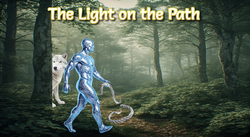
The Light on the Path
This short story explores the journey of Elias and Mara through the spiritual realm guided by White Wolf, symbolizing transition, healing, and reunion with ancestors.
The Transition from Physical to Spirit Realm
-
Elias's silver cord frays, signifying the end of his physical life and beginning of spiritual transition.
-
He sheds his physical weight, feeling the heaviness of earthly burdens and regrets.
-
The journey involves crossing symbolic natural elements like rivers, mountains, and fire to move beyond the physical world.
-
Each step represents releasing attachments and embracing spiritual awakening.
White Wolf as Guide and Protector
-
White Wolf is a primordial guardian representing wisdom, strength, and protection.
-
She patiently guides Elias and Mara through their respective journeys.
-
Her calm presence helps them confront fears, memories, and grief.
She embodies ancestral protection, ensuring no soul is lost in transition.
Healing and Releasing Past Burdens
-
Elias and Mara face their regrets, grief, and unfinished business symbolized by natural elements.
-
They learn to see their memories as seeds for new beginnings rather than anchors.
-
The journey involves forgiving oneself and others, symbolized by valleys of forgiveness and acceptance.
-
Chains of grief and regret are shattered, allowing spirits to move forward freely.
The Final Threshold and Reunification
-
Elias and Mara reach gates of divine light, symbolizing ultimate spiritual liberation.
-
Mara transforms from a burdened soul into pure light, signifying complete healing.
-
They are guided across bridges of ancestral voices and stardust toward reunion with loved ones.
-
White Wolf’s parting gesture signifies ongoing protection and connection to lineage.
The Role of Ancestors and Light Beings
-
Ancestors' voices appear as golden stardust, offering support and encouragement.
-
The journey emphasizes the importance of lineage, memory, and spiritual guidance.
-
Mara’s transformation is aided by the collective energy of her ancestors.
The story highlights the interconnectedness of all souls in the cosmic family.
Mara’s Transformation and Return
-
Mara sheds her earthly identity, embracing her true luminous self.
-
She walks through gates of divine fire into radiant warmth and ancestral reunion.
-
The white hair token from White Wolf symbolizes ongoing protection and lineage.
-
Mara’s journey concludes with her joining the cosmic family of stars, symbolizing eternal connection.
Here is the pdf of this story

The Girl who Listened
This short story explores the spiritual connection between humans and nature, emphasizing listening, reciprocity, healing, and active care for the environment.
The Power of Listening to Nature
-
Elu learns to interpret the silent language of the natural world through her senses and intuition.
-
Listening reveals the rhythms, memories, and warnings embedded in stones, trees, and animals.
-
Developing this awareness deepens her understanding of her place within the ecosystem.
Silence becomes a vital tool for communication and connection with the wild.
Environmental Disconnection and Restoration
-
Drought and land scars highlight the broken bond between Earth and its creatures.
-
Elu and her allies recognize the need to speak and act to heal the land.
-
Physical acts like planting seeds and clearing debris are essential for ecological recovery.
Restoring water flow and encouraging plant growth symbolize active environmental stewardship.
The Role of Active Care and Reciprocity
-
Healing requires effort, love, and physical work, not just listening.
-
Elu learns that giving back to nature sustains the balance and health of the environment.
-
The covenant of breath signifies mutual dependence between humans and the forest.
-
Small acts, like teaching children to hear stones, help preserve the silent language for future generations.
The Spirit of Guardianship and Future Hope
-
Elu evolves from a listener to a gardener of spirits, actively nurturing the land.
-
Characters like Amber Fox and Lyra symbolize renewal, healing, and hope for the future.
-
Restoring the natural balance involves ongoing work, collaboration, and respect.
-
The story emphasizes that true harmony is achieved through dedication and love for the Earth.
Here is the pdf of this story

The Digital Pulse of the Plains
This short story explores the connection between ancient wisdom and modern technology through stories of guardians, storytelling, and cultural preservation.
Whimsical Guardians and Their Symbolism
-
The Wolf symbolizes protection, ancient wisdom, and the bridge between old and new worlds.
-
The Red Tie represents modern tools that can be reclaimed to reconnect with heritage.
The Wolf’s ascended form emphasizes its magical, ethereal nature and ongoing role as protector.
Digital Storytelling and Cultural Preservation
-
Elias works to translate oral histories into digital archives to preserve cultural stories.
-
The stories emphasize that culture is a living, flowing heartbeat, not just relics of the past.
Digital mediums are used to reach new generations and keep stories alive.
Challenges of Modern Digital Age
-
Over time, digital archives face noise and static that threaten to drown out ancestral stories.
-
The characters confront the loss of spiritual connection amid overwhelming data.
The story highlights the importance of resilience and active effort to maintain cultural integrity.
The Role of the Wolf in Reclaiming Stories
-
The Wolf guides Kaya and Elias to reconnect with lost stories through symbolic gestures.
-
It demonstrates that ancient truths can be shared and protected through modern channels.
The Wolf’s presence signifies protection from exploitation and dilution of cultural knowledge.
Rebirth and Reconnection Through Technology
-
Characters repair broken digital links, reweaving stories into the web of cultural memory.
-
The narrative shows that technology can serve as a tool for cultural rebirth and continuity.
-
The story concludes with the Wolf and characters ensuring stories are preserved for future generations.
Here is the pdf of this story

The Call of the Wildwood
The short story is about tiny animal characters planning and executing a parade, emphasizing teamwork, creativity, and leadership.
Characters and Their Personalities
-
The story introduces seven animal characters, each with unique traits and roles in the council.
-
Wolfgang is a brave, serious leader who tries to act regal but is still young.
-
Barnaby is gentle and sleepy, loves snacks, and wears a buttercup crown.
-
Pip is observant and serious about her lookout duties.
-
Milo is energetic, playful, and loves to chase his tail.
-
Daisy is graceful, quiet, and acts as a peacemaker.
-
Nutty is mischievous, distracted by shiny objects, and in charge of decorations.
-
Brambles is grumpy, hardworking, and focuses on building sturdy parade structures.
Planning the Parade
-
The animals gather at night to plan their parade, feeling excited about their big secret.
-
Wolfgang declares that the babies will lead since grown-ups are too busy.
-
They decide on decorations like river pebbles, ribbons, and shiny objects.
-
The council discusses building floats, using natural materials, and incorporating flowers.
-
They plan fun activities like hide-and-seek and wearing floral necklaces to symbolize unity.
Building the Parade and Overcoming Obstacles
-
The animals face challenges like fallen logs blocking their path.
-
Brambles constructs a sturdy bridge with rocks and twigs.
-
Nutty finds shiny bluebells and gathers decorations.
-
Daisy tests the water for safe crossing, and Milo attempts a leap but splashes.
-
The team works together to build a safe crossing and decorate their parade route.
The Parade Day
-
The animals march proudly, with Wolfgang leading in a moss cape.
-
They showcase floats, decorations, and playful performances.
-
The parade includes singing, dancing, and sharing food, bringing the forest community together.
-
The animals realize leadership is about unity and teamwork.
-
The event ends with a campfire of fireflies, celebrating their success and friendship.
Here is the pdf of this story


